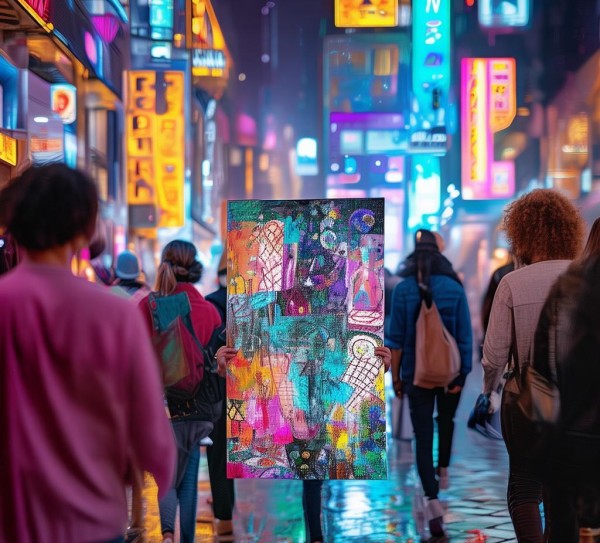

本设计方案旨在通过创新的户外广告形式,精准触达目标用户群体,打造直观、有效的传播效果,设计过程中,我们从目标定位、视觉语言与用户行为分析入手,构建了直观的传播目标,传播策略方面,我们将采用内容营销、互动体验和精准触达等多维度策略,确保传播效果最大化,实践阶段,我们建立了数据分析体系,定期评估传播效果,优化设计方向,确保方案落地见效,总体目标是通过户外广告,提升品牌形象,增强用户参与感,推动品牌影响力和传播效果的提升。
在 modern business environments, outdoor advertising has become an essential tool for effective marketing communication, particularly in urban planning and promotional campaigns. Outdoor advertising designs are developed to meet the specific needs of the target audience, ensuring that the message is both visible and relevant. These designs require careful planning, including considerations for visual effects, propagation effects, space layout, lighting conditions, color搭配, and brand identification.
Target Audience and Theme Alignment: Outdoor advertising should be tailored to the characteristics of the target audience. For instance, younger audiences may prioritize fashion, style, and innovation, while family-oriented groups may focus on comfort and functionality. Understanding the audience's preferences is crucial for crafting compelling visual and narrative elements.
Visual Symbol Design: The visual elements of outdoor advertising, such as brand logos, letter牌, and图案, play a key role in conveying brand identity. These symbols must be clear, concise, and visually striking, accurately reflecting the brand's core values and message.
Space Layout Optimization: Outdoor spaces require careful planning to maximize user engagement. For example, outdoor recreational areas may need open spaces for easy movement, while family-friendly zones should have adequate lighting and ample natural light. Advertisements should be strategically placed to enhance user experience and reinforce brand positioning.
Propagation Channels Planning: Outdoor advertising can be distributed through various channels, including online, print, social media, and community events. The choice of medium should align with the audience's preferences and the brand's messaging to maximize reach and impact.
Outdoor advertising design implementation involves the following steps:
Market Research and ysis: Conduct thorough research to understand the target audience's preferences and identify gaps in the market. This ysis will guide the development of the advertising design.
Brand Identification and Theme Selection: Based on the research, develop a brand identity that reflects the brand's values and culture. For example, luxury brands may prioritize high-end materials and design, while fashion brands may focus on trendy and accessible styles.
Visual Symbol Design and Implementation: Create and implement visual elements such as logos, letter牌, and图案 that are easy to read and visually appealing. These symbols should be integrated seamlessly into the design to enhance user interaction.
Space Layout Optimization and Adjustment: Evaluate the outdoor space for its functional and aesthetic properties. Adjust the layout to optimize user experience, ensuring that advertisements are placed strategically to maximize visibility and engagement.
Effectiveness Evaluation and Optimization: Use scientific methods to assess the effectiveness of the outdoor advertising campaign. This may include yzing ad performance data, user behavior, and propagation results. Use feedback to refine the design and improve future campaigns.
Case Study: Outdoor Advertising in a City Square
A well-crafted outdoor advertising campaign was launched in a city square, utilizing advanced design elements to attract young consumers. The campaign featured a vibrant and dynamic advertisement that effectively communicated the brand's mission and values. By integrating cutting-edge technology and innovative visual elements, the campaign successfully resonated with its target audience, leading to a significant increase in brand awareness and sales. The case study highlights the importance of combining creativity with functionality in outdoor advertising designs to achieve optimal results.
Outdoor advertising designs are integral to modern marketing strategies, offering a powerful way to engage audiences in urban environments. By considering the target audience, optimizing space layouts, and selecting appropriate visual elements, companies can create compelling outdoor campaigns that enhance brand visibility and drive sales.